In a conversation with one of our program coordinators, David, he regaled me with a story of his travels in Eastern Europe. He mentioned a night when him and some of his other Argentine friends went into a bar and, after talking football with some of the patrons of the bar, found themselves in a highly tense situation on the verge of physical conflict. A much larger group of men were threatening to fight them over a simple rivalry in a sport they didn’t even play in any professional matter! Then, suddenly after realizing a player from the Argentinians team actually had gone on to be a star player on the European’s team, the conflict quickly shifted into a moment of comradery and a night of drinking and friendly conversation (obviously abounding with the topic of football). This anecdote illustrates the power of football culture to both unite and divide individuals from different backgrounds that might otherwise have little or nothing to relate or disagree upon.
Football has the power to create enormous amounts of animosity between groups that have very little to actually disagree upon. For example, amongst the 50 plus different football clubs in Buenos Aires, there is a palpable and visible amount of hatred for rival clubs. Even our professor consistently receives distaste from River Plate fans for his support for their rival, Boca Juniors. Sadly, the hatred often precipitates into violence and Argentine teams have compensated for this by banning visiting teams’ fans from attending games. There are numerous stories of rival fans coming to blows over the outcome of a match or a debated penalty and the only feasible solution has been to remove rival fans from the gameday equation.
Alternatively, football can often be a force of unifying good in the world, strengthening pre-existing communities or bringing together people from different backgrounds. The strongest vehicle of community strengthening tends to be the social clubs centered around football teams. A great example of this was the Gimnasia social club we went to see this past weekend. The social club is a non-profit organization that members or socios pay monthly fees to be a part of. This membership entitles them to gameday tickets, reduced fees on other services the club offers, voting rights for the board of directors in a club, and the status as part-owner of the club. Socios tend to be huge fans, participate in civil society together through the medium of their clubs, enroll themselves and family members in club sports (of which there are over 25), and provide a meeting grounds for the exchange of ideas at club events. All of this combines into an overall strengthening of the communities that form these social clubs. Furthermore, soccer can bond people even of completely different backgrounds. For example, when a national team is formed during the World Cup or a Copa America tournament, people who were once enemies suddenly become unified against other nations, rather than focusing on club team rivalries.
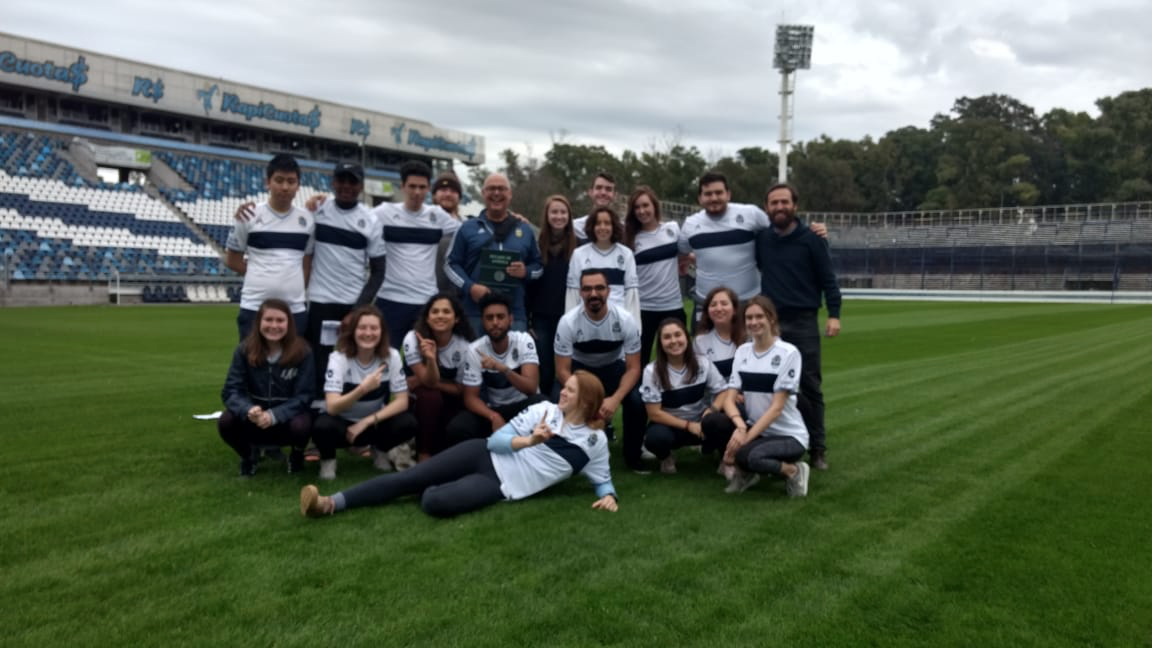
Alternatively, football can often be a force of unifying good in the world, strengthening pre-existing communities or bringing together people from different backgrounds. The strongest vehicle of community strengthening tends to be the social clubs centered around football teams. A great example of this was the Gimnasia social club we went to see this past weekend. The social club is a non-profit organization that members or socios pay monthly fees to be a part of. This membership entitles them to gameday tickets, reduced fees on other services the club offers, voting rights for the board of directors in a club, and the status as part-owner of the club. Socios tend to be huge fans, participate in civil society together through the medium of their clubs, enroll themselves and family members in club sports (of which there are over 25), and provide a meeting grounds for the exchange of ideas at club events. All of this combines into an overall strengthening of the communities that form these social clubs. Furthermore, soccer can bond people even of completely different backgrounds. For example, when a national team is formed during the World Cup or a Copa America tournament, people who were once enemies suddenly become unified against other nations, rather than focusing on club team rivalries.

 Argentina Study Abroad