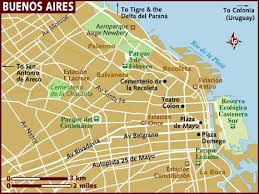
Today I went on an adventure that wouldn’t have been possible without the thorough walkability and ease of public transit within the city of Buenos Aires. I woke up at four P.M. (after a night of staying out until six A.M.) and decided I wanted to see a new part of the city, Puerto Madero. So, walked half a mile to the closest subway station and after a series of transfers arrived at the Constitucion subway station. From there, it was only a scenic twenty-minute walk to Puerto Madero. On this walk I went over a pedestrian walkway that weaved in between highway ramps and meandered down cobblestone streets to reach my destination, all without seeing another tourist. I arrived at Puerto Madero and immediately headed to the back end to walk along the river between the urban area and the massive ecological reserve while I watched the sunset. Along this path, there were sandwich venders ever ten feet and numerous entrepreneurs on bikes offering me cheap Fernet Branca and Coke. Eventually I turned to head back home, but not before stopping and grabbing a sandwich and a cortado while watching a soccer game. Then I walked on only one street the entire five miles up to Parque Centenario near my apartment. So many key features of Buenos Aires made this day possible and accessible to someone that is only a tourist in this giant city.
The first aspect of the city that made this possible was the Subte system. Unlike Atlanta, Buenos Aires has a functioning and widespread public metro system. Through a series of transfers, I was able to make it to an entirely new part of the city that would be totally inaccessible to me except through a considerably more expensive taxi ride.
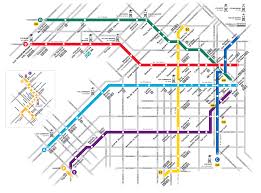
Secondly, the emphasis on walkability in Buenos Aires made it possible for me to weave through busy highways on an elevated walkway. Throughout the entire city there are consistent and heavily used, though not exactly uniform, sidewalks. There is also a large emphasis on the construction of pedestrian walkways where cars aren’t allowed to go. All this simply means that Buenos Aires prioritizes their walking residents and tourists.
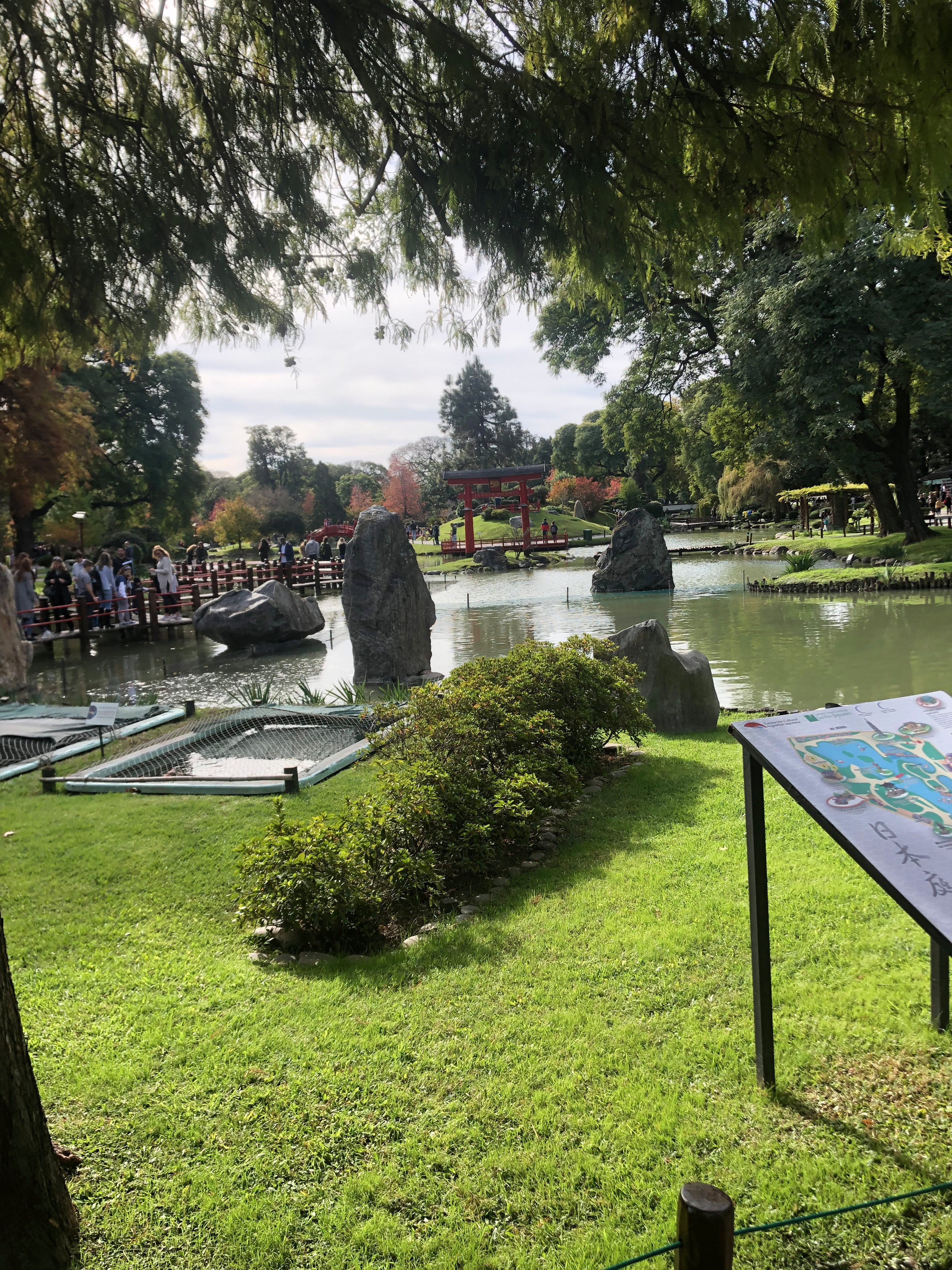
Buenos Aires has countless public green spaces, parks and even an ecological reserve. I was lucky enough to walk alongside this ecological reserve during my adventure and it was beautiful. There are numerous studies on the benefits of public green spaces and Buenos Aires has not neglected to create as many of these as possible. From Parque Centenario, to the Japanese Gardens, to the Parque 3 de Febrero, there is always a nearby park to go and enjoy some natural beauty on your day off.
Lastly, as an Atlanta native, the seemingly unusual and logical setup of the city was much appreciated by me. There are a series of avenues going towards the river that alternate in traffic direction. These avenues successfully divide the city into sections, as well as provide the template for the Subte, since most of the lines closely follow an avenue. In between the avenues, there is a very consistent grid system with lines generally parallel or perpendicular to the avenues. All of this made it very easy for me to walk the five miles back to our hotel at the end of my adventure.

 Argentina Study Abroad